Blog Details

Doves: Destination Texas

Texas Dove Hunting By John Hardy: A Memorable Adventure

To kick the new year off right, I needed some time away from the internet and the never-ending stream of emails. Missing the September dove hunting season of last year left me feeling as though I was missing a big part of who I am at my core. So, knowing that all of the migratory birds of the year would be collecting in deep south Texas, I set off in a search for the best of January birds.

Finding Texas Elite Outfitters

After some conversation with friends, I located Texas Elite Outfitters, run by Capt. Arnold Lacount in Mission, Texas. After a brief conversation with him, he stated, “Just get here, and I will show you some doves.”

The Hunt Begins

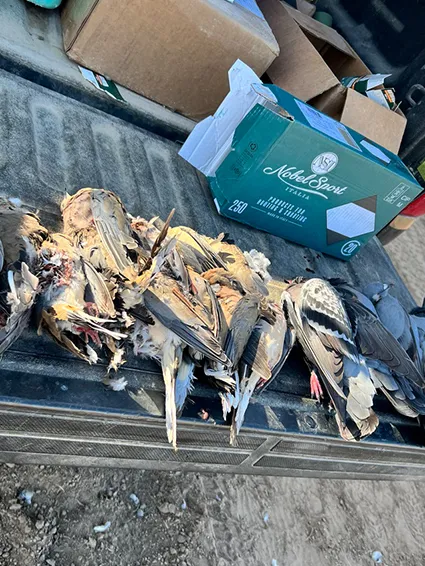
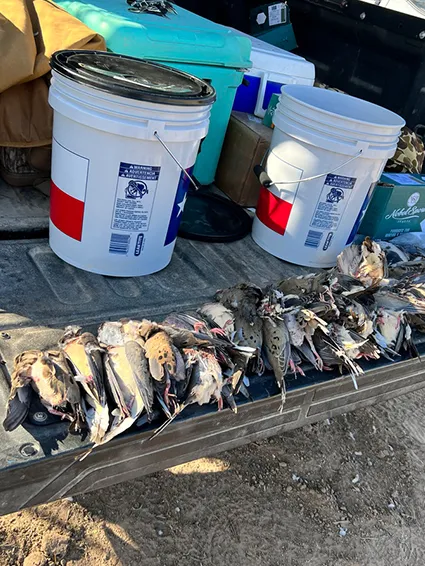
To begin our expedition of hunting in Mission Texas, we arrived the following day in the dark, meeting guide Renee Beltran, who farms the local area and plants sunflowers and sesame for birds across hundreds of acres. He pointed to several fields and said take your pick. We quickly took positions not far from the truck next to two brush lines and waited for the light. Renee had indicated that the birds would come from the south and that they did flight after flight, pouring over us for the first 30 minutes, so many that we could not load fast enough. I wish I could say that with that many birds, it would only have taken me 30 minutes to shoot a limit, but that was not the case. There was the element of the ever-present Texas wind, and the birds came three feet off the ground before instantly being on top of you. These Jan doves have been hunted, and seeing any movement would slide in the wind right or left and be gone. Ok, enough excuses. Eventually, we got it down and were limited out by 9:00.

Day 2: A Spectacle of Doves

Back at the truck, we picked all the birds and headed back to Mission to discuss the shooting, rest, and finish processing and packaging the birds. It was to be the drill for the next three days. The next morning, having watched the bird’s line of travel, we set up in a cut between two brush lines where I had watched hundreds of birds passing the previous day. I wish I had a video of that spectacle of wave after wave of mourning doves Texas streaming through that cut, eager to get to the sesame fields across from us. Even if I had had someone loading for me, I could still not have kept up with their numbers. I had to settle my nerves before the svelt tightly choked 28 gauge and 15/16 of 7 1/2’s began to stack them up, but I again figured it out and limited it in about the same time. Birds picked and processed a nap, and we hunted up some good Mexican fare. Asking my guide where somebody might find that, he suggested Marie Taquirea.

Day 3: Continuing Success

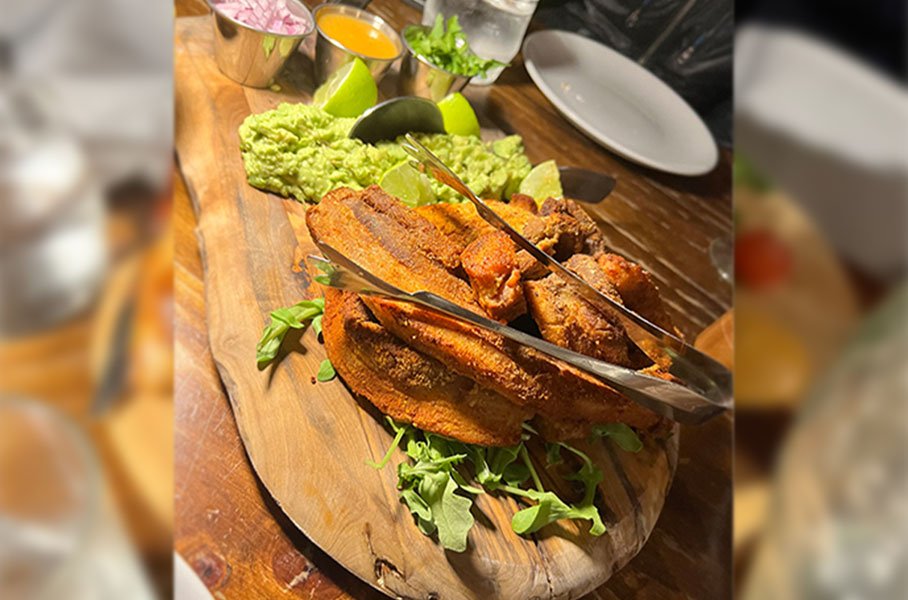
What a find! The menu is entirely Spanish, so my passable but limited Spanish came in handy. We were treated to delicious Barbacoa tacos, sweet tea chips, and homemade red and green sauce.
After a night’s rest with dove dreams patterned from the past two days, the next morning, my guide wanted to rest in the previous field. Hence, he stationed us at a small gas plant about a 1/4 of a mile from where we had been and said to be patient; the birds wouldn’t get here until about 9:30. Renee lived up to his reputation as one of the best Texas hunting guides and proved his knowledge of the birds coming to perch after feeding. They appeared in mass just when he said they would, and the shooting was again extremely good, and we limited again in short order.

Dining Discoveries

Feeling the success of the past three days and wanting a different dinner experience, I researched a restaurant called Lorettos in Mission, Texas, and made reservations. Lorettos is an upscale dining experience that anyone would enjoy. It offers excellent service, incredible appetizers, and entrees that include Salmon Wellington, which was off-the-charts good. You can find the menu online; a trip there is well worth the price.

Reflections and Recommendations

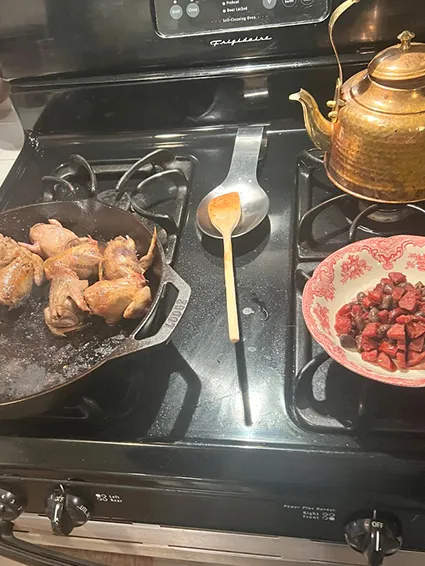
I have embarked on Texas dove hunting adventures for many years from central Texas south to Beeville and Three Rivers, and it has always been good, with Sept and October providing Excellent shooting for White Wings and Mourning doves. But this was a treat; Mission turned out to be one of the best dove hunting spots in Texas! It wasn’t hot; it wasn’t cold. It was balmy, and the doves were there in mass. The food was good, the company was good, and I’m already booked for the same period next year with a larger group. If you like to shoot, you can simply not do better than to call Texas Elite Outfitters and enjoy the professional hospitality of Arnold Lacount and Renee Beltran, who will show you some doves. If you prefer the heat of September, their hunts in planted sunflowers are outstanding, with limits of whitewings being the rule, usually in less than thirty minutes. If that’s not enough, there are rock pigeons, thousands of them, and yes, they are lovely to eat, too; in addition to bringing back the generous Texas possession limit of 45 doves per person, we got back with 20 or so Rock Pigeons to be turned into dinners for days. If you’d like to shoot with Texas Elite Outfitters, book early. They will fill up fast in September. Closing off with the last of dove hunting tips by John Hardy, Hidalgo County is one of three that have huntable numbers of Chachalacas or Mexican Tree Pheasants, a whole different shooting experience but one that can provide a unique and memorable hunt.

HI, I’m JOHN HARDY

Hi, I’m John Hardy, a lifelong outdoorsman, fisherman, hunter, and cook. This site shares my extensive experience in the field, on the water, and in the kitchen, along with insights from our expert Pro Staff. Explore our proven tips and tools for outdoor adventures and culinary success.

Blog Details

The Art of Patience: Lessons Learned from Turkey Hunting

Turkeys Or Crappie: The Ultimate Decision

I have been hunting turkeys for over 40 years, sometimes not at all, sometimes persistently, and sometimes as a professional guide in South Texas, so I am qualified to share some turkey hunting tips for beginners. I sometimes have to decide whether to fish for crappie during the springtime spawn or hunt turkeys, as both happen simultaneously. However, I decided to fish this spring and give the birds peace. But at the request of pro staffer Lee Lawson, who shot his first turkey with me 30 years ago, I found myself on my way to Sinton, Texas, to try and fill a tag.

Trip To Stinton, Texas

The weather had turned cold and wet as it often does during spring turkey hunting season every year. But with the front moving steadily east, the promise of sunshine and warm weather kept us hopeful for good gobbling weather. After arriving in Sinton, we opted for some great Mexican Food at Rancheros in Refugio, after getting guns and gear ready, we got in bed early, knowing the 4:30 alarm would be coming.

Navigating at Night and Setting Up Before Dawn

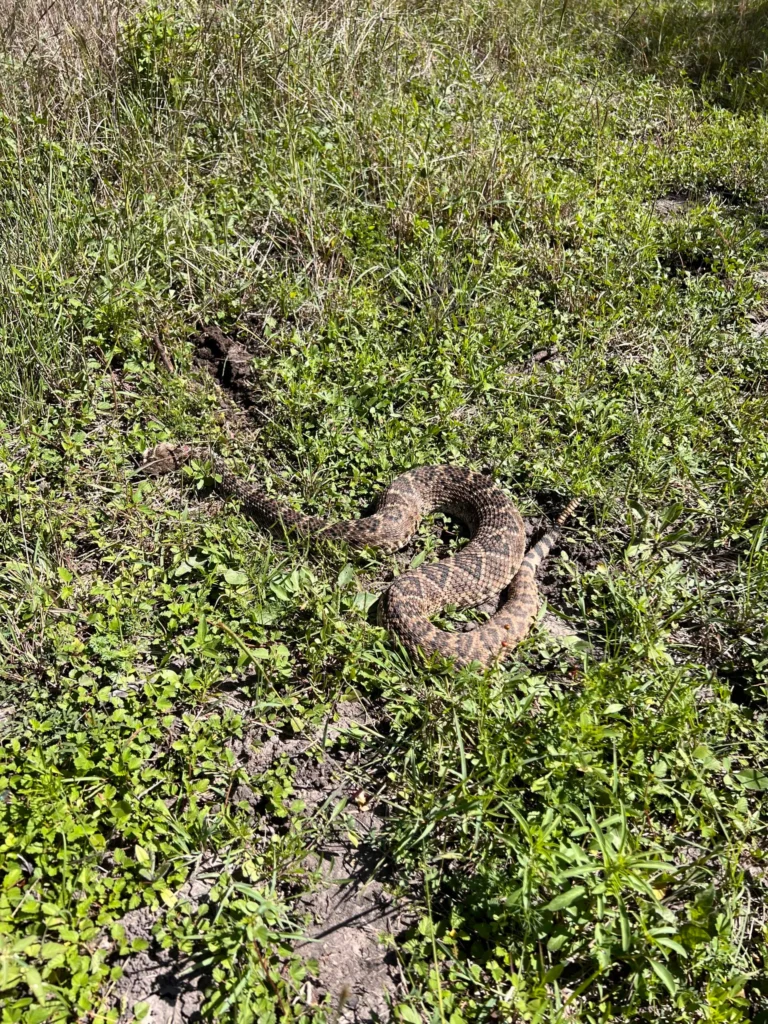
The following day was as we had anticipated: stars shining and soon to be sunny. With a known roost on the property, we decided to set up as close to it as possible, requiring us to do something I would only do with quality night vision: sneak through the Texas brush at night, think rattlesnakes, big western diamondbacks. After walking across one sendero in the moonlight far enough away from the birds that we would hopefully not be seen, Lee turned on his PVS-14 Monocular, the best gear for turkey hunting in South Texas during nighttime, and we entered the brush, picking our way slowly through the cactus and horse thorns, watching closely for snakes.

Early Encounter And Roosting Birds

We found our way to another Sendero just 100 yards from the roost. The previous week, both Lee and his daughter Emily had killed a pair of Longbeards from this exact location and had another mature gobbler on camera. and he was the target bird named Short Beard, due to beard rot, which is caused by a vitamin or melanin deficiency causing the bottom of a turkey’s beard to dry and break off. He was shown on camera daily from 8:00 to 9:00 and again later in the afternoon. The morning broke clear, and just a little before sunrise, the roost came to life with 25 or more birds talking to each other before flying down, the hen’s tree calling, Jakes chirping, and gobblers, booming a chorus that I will not forget. About fifteen minutes later, a sight that turkey hunters rarely see occurred when the roosting birds pitched in front of us, some as close as six feet. With that many Turkey eyes looking for danger, they can still pick you out no matter what you do or how well you are camouflaged. And as luck would have it, that hen at 6 feet, after peering intently at me, decided that things were just not quite right and gave the putt putt putt to the flock and walked north with the rest of the flock in tow.

Awaiting The Short Beard Gobbler

They stopped at about 70 yards, shook off the possibility of danger, and began feeding, the Jakes forming one band and hens by themselves, loosely forming their group. The Jakes began squabbling to establish a pecking order or who would be boss for a day. Three of the largest Jakes came back, and we decided not to take one and to wait for the short beard gobbler that had been showing up regularly. We waited while the flock fed north and disappeared. Eight o’clock came, and he was a no-show. We continued to wait, staying in one location, avoiding the urge to play the run-and-gun game, which, at age 67, I was grateful for, not that I couldn’t, just not my preference.

Sudden Appearance And Final Shot

Ten o’clock came, and having sat in a turkey chair and gone through a whole bunch of blogs on preparing wild turkey recipes for five hours, I was getting a little sore in all the wrong places. Deciding to give it another little while, we waited, and eleven o’clock came, at which point we began to discuss plans for the afternoon hunt. After deciding to hunt the same place, we cut some more brush for the blind, gathered our gear and started walking back to get the ATV. I had gone only fifty yards when I heard a gobble from the direction the birds had gone and turned around to see Lee motioning for me to come back, so after a short dash, I crawled back in the blind and my chair and got as comfortable as I could when the bird sounded off again he was closer. When Lee called again, he immediately answered, so we just stopped calling, knowing that he knew exactly where the call came from.
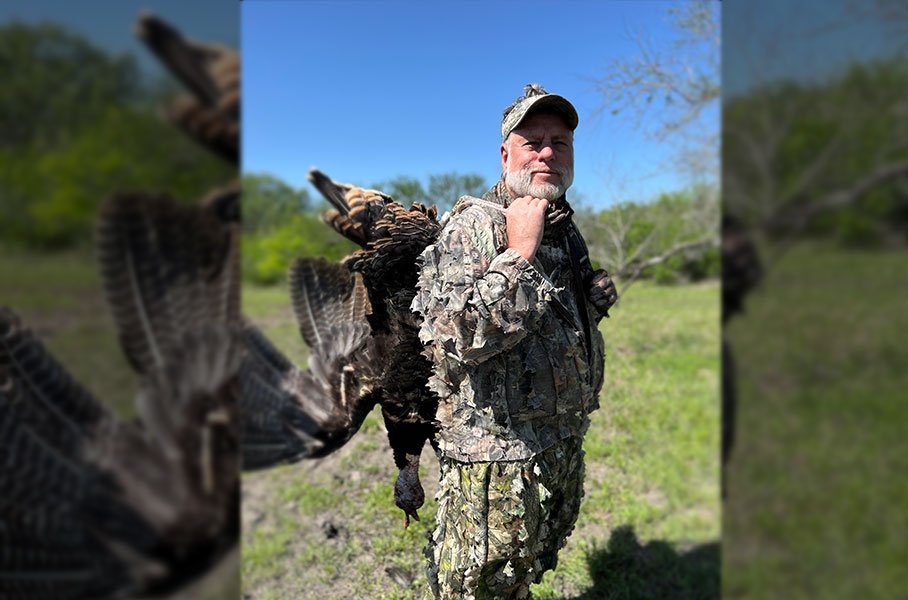
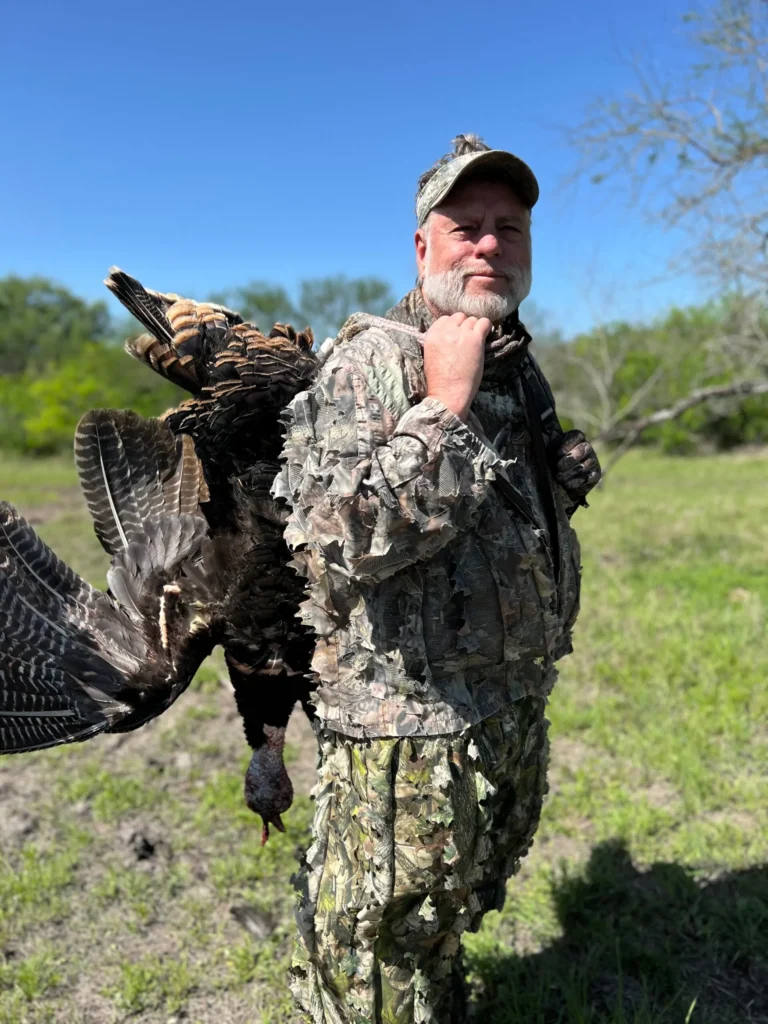
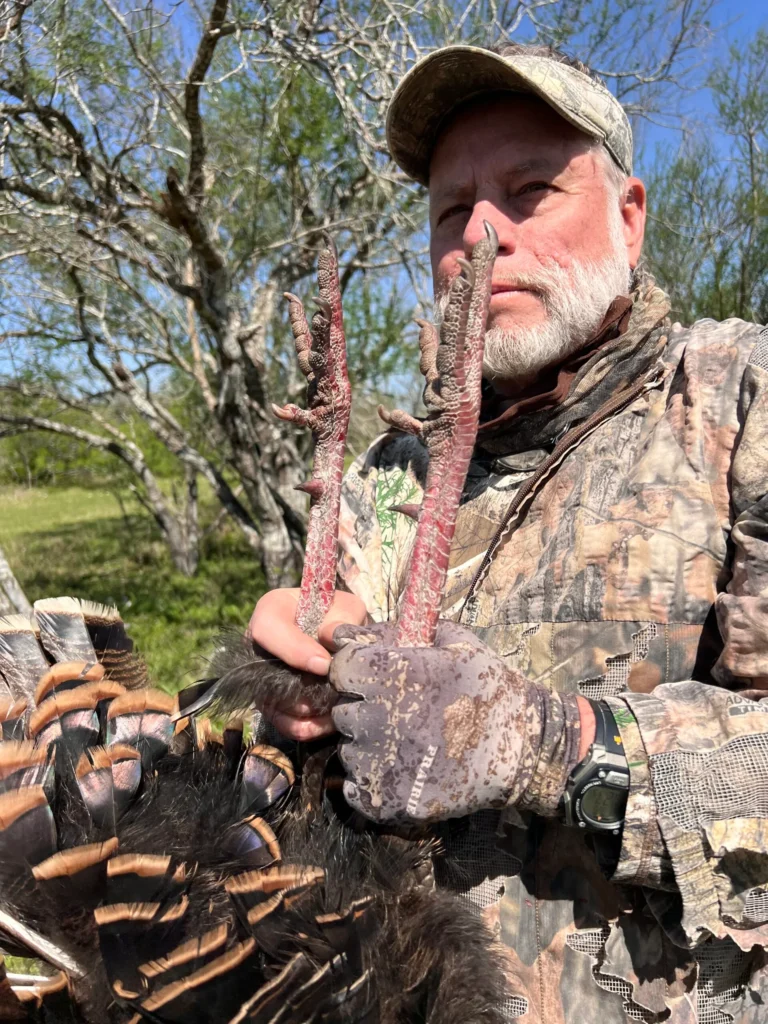
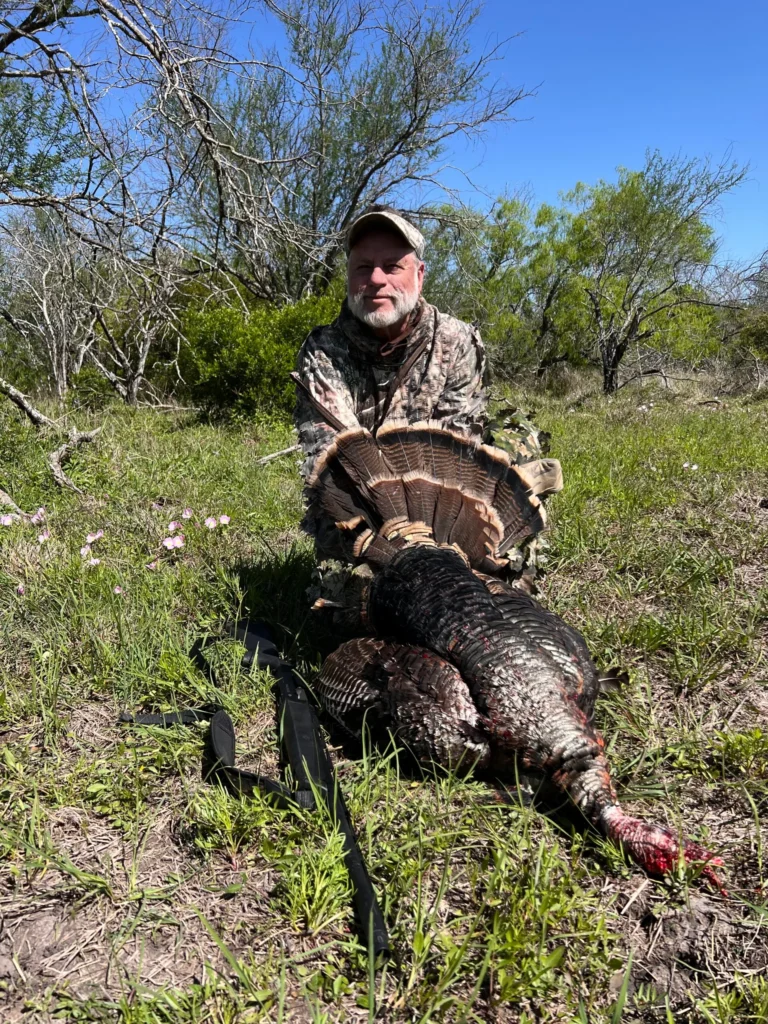
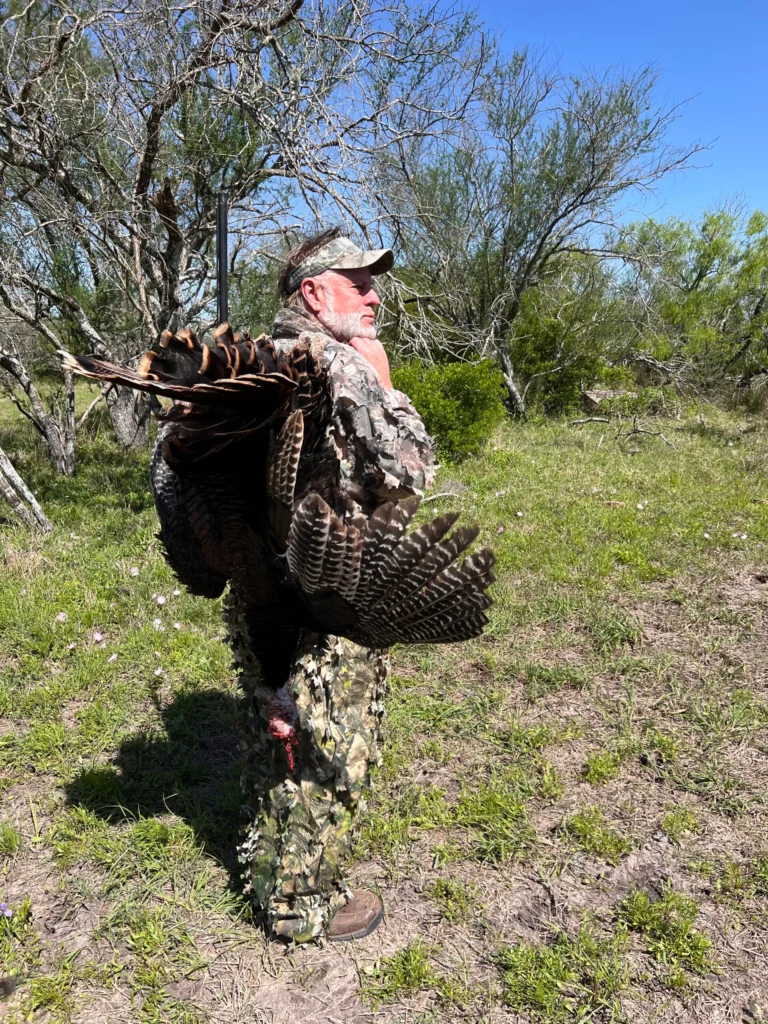
About 15 minutes later, he appeared like a ghost 60 yards away at the opposite edge of the Sendero, looking for company. After seeing nothing, he melted into the brush and headed for a small creek bottom. We waited and then called again. His immediate answer told me he was interested and alone, both good signs. I whispered to Lee to just purr softly. When he did, the bird answered again, and minutes later, he was standing thirty yards away in full strut but behind a big mesquite limb, which I could not shoot through. When he came out of his performance, I knew he would either turn right towards a brush line leading back into the creek bottom or turn left and walk in front of us. Years of hunting came into play as I moved my gun to the right where I thought the Gobbler would go. I found one small opening about 2 feet across to shoot through. It was a good guess the bird came out of strut, and still not finding any cooperative company the bird headed for the safety of the creek bottom. When he crossed into the opening, the ounce and 7/8 of copper 5’s ended his days in a shower of feathers. He turned out to be an old bird and, at over twenty pounds, a big bird.

Unexpected Western Diamondback Encounter

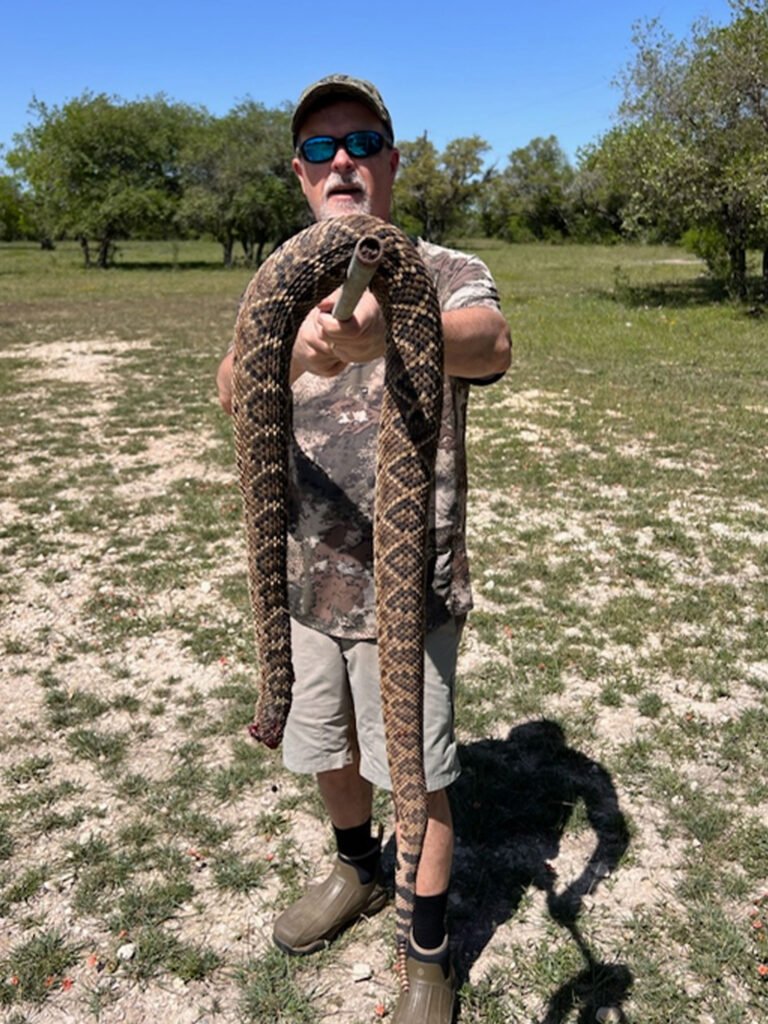
We gathered our gear after celebratory handshakes and backslaps, and Lee walked back to get the ATV. You might think the hunt ends here, but it did not. As Lee drove back to pick me up, he passed by the exact spot where we walked into the brush in the dark, and there lay a very large and active western diamondback, which he quickly dispatched since we had just walked there and the thought of being envenomated by a strong neurotoxin had made the hair on the back of our necks stand up.

Cooking The Snake And Final Words

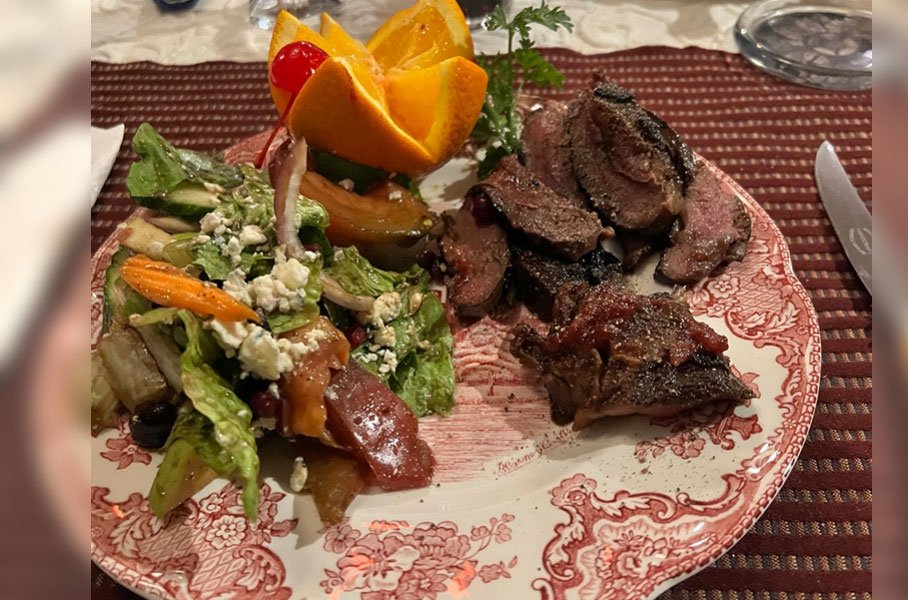
We decided to skin the snake and fry the meat. Yes, you can eat them, and since this website is also about dining on wild game, I will. There are many ways to cook them, but mine will be fried and served with cream gravy. Along with night vision, snake boots are an absolute must in south Texas and anywhere in the south, for that matter.

Texas Outfitters and Suggestions for Hunting Turkey

With a large population of Rio Grande Turkeys, Texas is a great destination, with many outfitters offering everything from classy accommodations, fully guided hunts, and fine dining to simple camps and drop-off hunts. Two of note Riojas outfitters in Beeville Hector Riojas can be found by calling 361-319-9197 or Texas Elite Outfitters at 979-587-1024 / 281-924-9720. If you’re up for an adventure, grab your gear and go. Just remember that having a Monocular for hunting with night vision Texas and snake boots will afford you some peace of mind.

HI, I’m JOHN HARDY

Hi, I’m John Hardy, a lifelong outdoorsman, fisherman, hunter, and cook. This site shares my extensive experience in the field, on the water, and in the kitchen, along with insights from our expert Pro Staff. Explore our proven tips and tools for outdoor adventures and culinary success.

Blog Details

Waterfowl: Destination Stuttgart Arkansas

I have hunted ducks and geese for over 50 years now, part of that time as a professional guide in my home state of Louisiana and surrounding areas. While I am not nearly as mad at them as I was at 35, the Syren’s song of White Fronted Geese (Specklebellys) migrating in early fall still makes my 66-year-old heart beat faster. Having enjoyed them on the table, I still look forward to hunting them whenever possible to stock the freezer with them. After talking with pro staff members Lee Lawson And Troy Borill about where the densest concentration of Specklebellys might be in the X, as they say, we decided to Hunt with Fowlco Guide Service, run by Zach Fox and Guides, some of whom are from my home state of Louisiana. Zach runs one of the premiere services in the area, and his Knowledge of the birds and relentless effort to keep his clients under them was nothing short of amazing. He provides both Duck and Goose hunting, but it was the Specklebellys we were after, and we were not to be disappointed. The accompanying photos and videos attest to that. He and his guides work tirelessly every day from long before the sun comes up until long after it has set scouting, setting up blinds and decoy spreads, and getting hunters into position. I know how much work it takes because I lived the same life in my younger days. To Contact Zach Fox, call 870-674-4817 and book quickly. He fills up fast. His Spring Snow Goose Hunts are consistent with what you see here, except there are no limits, and it is expected to kill 75-100 snow geese a morning. Of all the birds on the table, Specklebellys reign supreme, and having the opportunity to shoot 46 Specklebellys in 45 minutes is something you will not forget. Whether the Grill the Pan or the Oven The Hunting is only part of the Adventure.

HI, I’m JOHN HARDY

Hi, I’m John Hardy, a lifelong outdoorsman, fisherman, hunter, and cook. This site shares my extensive experience in the field, on the water, and in the kitchen, along with insights from our expert Pro Staff. Explore our proven tips and tools for outdoor adventures and culinary success.

Blog Details

Prespawn Snapper Fishing: The Anticipation Of Summer To Come

Red Snapper Season Overview

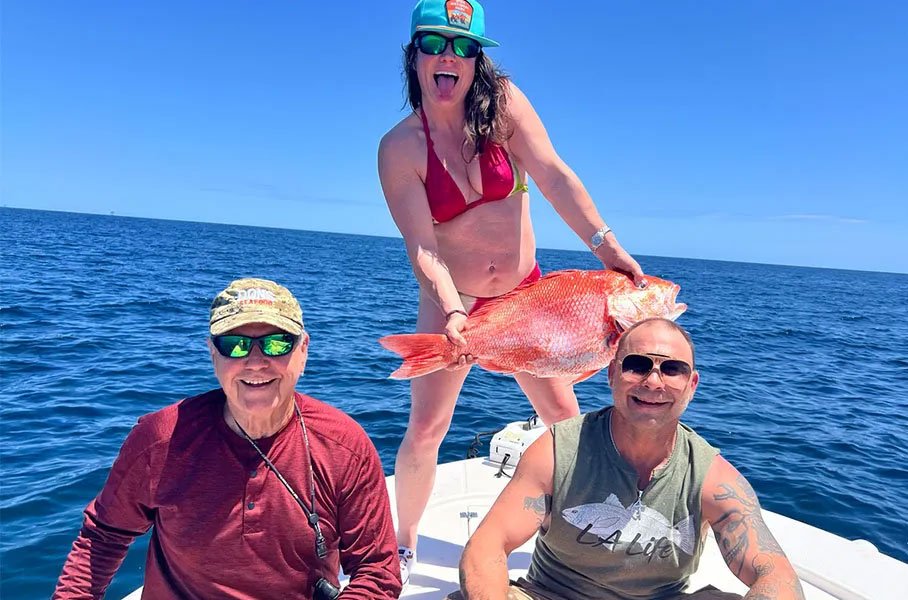
Snapper in the Central Gulf of Mexico off the Louisiana Gulf Coast begin spawning in May and continue through the first part of September. For those interested in Louisiana snapper fishing, this is a prime period to catch them. With Snapper season opening in mid-April, the first few weeks can yield some of the best fishing of the entire season. The fish feed voraciously in preparation for the spawn and collect in significant numbers in water from 65-120 feet on wrecks and platforms. With my extensive experience of over 50 years in these waters, I can confidently say that Red Snapper is the King on the plate. They are a favorite among seafood lovers because of their solid texture and rich flavor, and the difficulty of catching them only heightens their appeal.

Fishing Conditions And Strategy

It’s not always easy this time of year to catch seas calm enough to allow offshore fishing for snapper, so we observe for the passage of fronts and sometimes the only calm day afterward. The crew is then called and shows up from various destinations, knowing the prize awaits. The fish will often congregate based on their size or year class, and frequently, the first stop in shallower depths will yield a lot of 16-18″ legal fish, but not what we are after. It takes strategy to move from 70 feet to 90 feet, which is where the larger fish are located. Gaining an understanding of these fish’s migration patterns and seasonal movements can have a big impact on your haul.

Techniques For Catching Red Snapper

The size can be much larger, and fish in the 12 to 25 lb range are what we are after. Circling a platform and watching electronics will invariably show the most prominent schools on an up-current corner and close to the shady side of the structure. The fish will be shallow, anywhere from 15 to 40 feet down, and you can often watch a big snapper take your bait, which is an intimidating site, knowing what will happen next. A hard run towards the platform’s depths and safety with aching arms trying to keep them from getting there. The trick is to put enough pressure on the fish to turn his head without breaking the line, which might be easier said than done. Still, using the proper equipment and strategies, such as strong, anti-abrasion lines and heavy duty reels, can improve your chances of landing these hard-to-get fish.

Crew and Preparation

It doesn’t take long for limits to get filled and make the run back with all onboard tired and ready to get fish cleaned and enjoy fresh snapper. The crew’s camaraderie as they cooperate to clean the catch and get ready for a well-earned lunch is a testament to the success of the excursion. Maintaining the quality of the fish requires careful handling and preparation. The snapper will stay fresh and ready to cook if it is cleaned and filed quickly. The actual process of catching the fish adds a magical touch of flavor to the final dish, whether it’s a classic grilled snapper or something fancier. All in all, the true pointers of a successful red snapper season fishing trip are enjoying a delicious lunch with the crew while looking back on the day’s adventures.

Final Thoughts

A combination of ability, patience, and a love of the sea makes snapper fishing Gulf of Mexico an incredibly fulfilling experience. Every trip is made more memorable by the challenge of taking on a strong fish, the excitement of a good catch, and the delight of eating a meal prepared from that catch. Every fishing excursion is a fresh opportunity to perfect skills and adjust to shifting conditions as the season goes on. The hunt for red snapper continues to be a beloved pastime that honors the wealth and beauty of the Gulf of Mexico, enjoyed by both amateur and expert fishermen. The benefits of red snapper fishing are well worth the work and commitment, regardless of experience level. It builds camaraderie among participants, resulting in enduring friendships and treasured memories of time spent together on the water, in addition to the excitement of the catch.

HI, I’m JOHN HARDY

Hi, I’m John Hardy, a lifelong outdoorsman, fisherman, hunter, and cook. This site shares my extensive experience in the field, on the water, and in the kitchen, along with insights from our expert Pro Staff. Explore our proven tips and tools for outdoor adventures and culinary success.

Blog Details

Be Very Aware of Vibrio

Far more common than Shark Attacks and every bit as dangerous

While there are other topics vying for my attention, I am writing this article now because it could be a matter of life or limb and because it is summertime. As seafarers and fishermen, we are all too familiar with the risks of our profession, from the perils of the ocean to the hazards of the marshes. We have tools to protect us from the elements, handle large fish safely, shield ourselves from the sun, and more. However, there are invisible threats that can be just as deadly. Vibrio vulnificus is one such threat. I have had a personal encounter with it, as has our Pro-Staff member Donny Landry. These personal experiences make the information in this article all the more relevant and crucial for your safety. More on that later.

What is Vibrio:

Vibrio vulnificas is a group of Vibrio bacteria found in warm coastal waters, mainly brackish waters. The group is “halophilic,” meaning it requires salt. It is also called flesh-eating bacteria. Vibrio infection can occur after eating raw or undercooked seafood. About 10% of cases, the other 90% arise from open wound contact with salt or brackish water. By being aware of it, using good sense, and, most importantly, using preventative measures, you can significantly reduce your risk of infection. This emphasis on preventative measures underscores their importance in reducing the risk of Vibrio infection. Remember, these infections are preventable for the most part, and you have the power to protect yourself.

Seasonal infection Rates:

Notably, most infections occur during the peak summer months, Late May through October. When the water starts to cool, infection rates fall significantly. This seasonal pattern is crucial for understanding when you are most at risk.

Prevention:

One protection method that fishing guides along the coast use is Super Glue. Before leaving the dock, you can cover minor cuts or abrasions with a few drops of Super Glue. When handling fish, be careful not to get finned, which, after handling enough fish, can be hard to do; even the smallest of punctures can cause infection. Because of our own experience, we now always carry a spray bottle of bleach and water solution: 1 part bleach to 10 parts water. If we are cast netting for bait or have handled enough fish to get finned or cut from gill plates, we stop, spray with a bleach solution, rinse with fresh water, and then repeat. If going for a day on the beach, I would make this a part of every beach bag. Walking on the beach and stepping on a sharp object, rocks, seashells, or anything can be an entry point for infection. Wearing water shoes is a great preventative measure as well. Another great product that can be effective prevention is “Bag Balm,” available at Amazon a product used to treat cow udders and also used by many to moisturize dry skin. It uses an antiseptic called 8-Hydroxyquinoline sulfate, which contains compounds that can be effective at preventing infection by applying after a day on the water to any cuts or abrasions. One of the effective antibiotics used to treat Vibrio infections is Quinolone, derived from Quinoline.

Treatment:

If you even remotely suspect through symptoms that you might be dealing with a Vibrio infection, seek medical help immediately. Early treatment will increase your chances of survival and complete recovery. I can not overstate enough the importance of early diagnosis and treatment. The mortality rate of infection is about 33-35%. Even if you survive, your treatment can include amputation to save your life. Symptoms usually occur within 1-3 days and can consist of reddening and inflamed tissue, blistering and ulceration of the skin, and pain in the area where the infection occurred. If ingested from eating undercooked or raw seafood, symptoms can include Diarrhea, stomach cramps, nausea, vomiting, fever, and chills. Although antibiotic therapy is effective, bariatric treatment can not be understated. If you are infected, immediately find and be aware of the closest hospital with a bariatric chamber and be prepared to go.

Our experiences with it:

My experience with a suspected infection came after the first three days of working on a commercial snapper boat after handling hundreds of red snapper and getting finned and cut by gill plates. I noticed on the second day that my hands had been punctured and cut quite a bit, and that night, they began to get inflamed and swell. On the third morning, they were very painful and getting worse by the end of that day, I could not close my fingers, and the pain had become so intense that I could not sleep. When I mentioned it to one of the crew, who was also the cook and a lifelong commercial fisherman, he asked to look at my hands. After inspecting them, he looked concerned and said I have something to help. If not, you’re going to need to see a doctor. He took a green tin of Bag Balm available at Amazon from the first aid kit on board and instructed me to cover my hands with it. Then, he gave me a pair of loose cloth gloves and told me to soak them with the Bag Balm and sleep with them on. It was not a process that I was looking forward to at all, but if it was going to stop the pain, I was all in.
The following day, after trying to sleep with my arms outstretched to keep from rubbing Bag Balm all over the bed, I awoke to my hands not feeling as if they were burning and I could move my fingers a lot better.
I continued the process for another three nights, and the treatment had dramatically reduced the redness, inflammation, and swelling. I continued to rub Bag Balm on my hands for another three days, and eventually, they became hardened by the sun, salt, and sea, and the cuts were minor and less frequent. I also handled the fish differently, using a loop of a hundred-pound monofilament line as a de-hooker. It was astonishing then that a product used to treat cow udders, which I had been unaware of, had been responsible for the cure. I was even more astonished when researching this article. I found that the active ingredient in Bag Balm was Quinoline and that one of the primary antibiotics used to treat Vibrio is Quinolone derived from Quinoline. Was I professionally diagnosed with Vibrio? No, but the circumstances and symptoms were more than suspect.
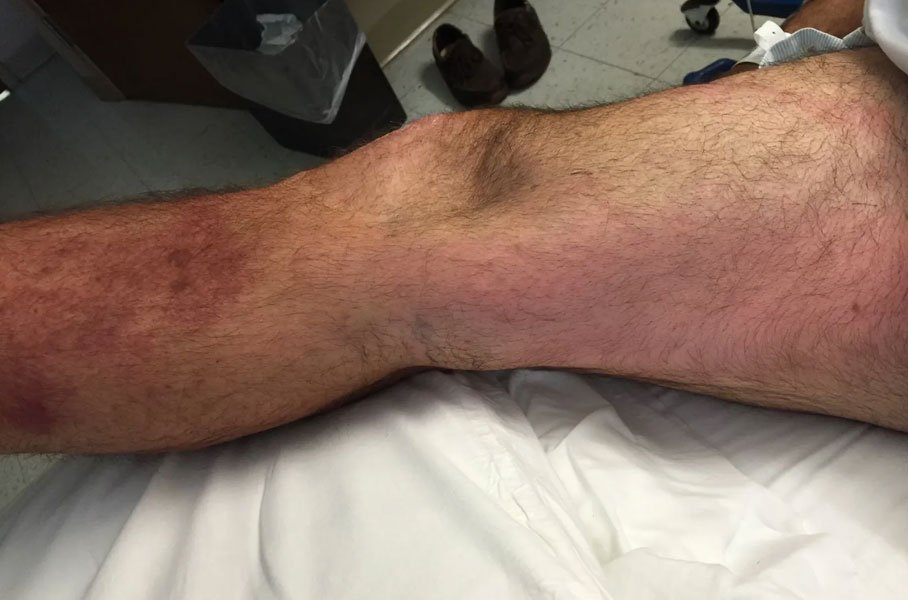
Pro Staff member Donny Landry’s experience with it was diagnosed and was life-threatening. As he had done hundreds of times, he was cast netting for bait at Marsh Island and had a tiny cut on his shin. After dragging the cast net out of the salty marsh water and across his shin, he was infected with Vibrio vulnificus and underwent a painful and scary recovery process. Symptoms appeared after about three days: the same reddening, inflammation, and pain in his leg and darkening of the skin with lesions beginning to form. After a trip to the doctor, they prescribed intensive antibiotic treatment, and a few days later, with no improvement, the pain intensified, and his leg turned almost black. He was sitting in the doctor’s office with his iPad, reading everything he could to discuss with the doctors. He came across an article discussing the effectiveness of bariatric treatment for Vibrio. He immediately started asking the doctor to be treated using this, and they resisted either out of ignorance on their part or just adhering to their training and, of course, Big Pharma, which I will say no more about here. They finally conceded to the treatment, and after the second day of treatment, the pain was subsiding, and his leg was starting to change color. It was an ordeal that none of us would forget. After a month of treatment and a recovery time of eight weeks, give or take, he was and is just fine. Had the Doctors prescribed bariatric treatment initially, along with antibiotic treatment, the near-death experience would not have been so traumatic. The accompanying photos give only a partial view of what he went through. Another friend of his, while taking the boat out of the water, scraped his arm on the trailer, was infected, and had to have his arm amputated above the elbow.
This article is not written to scare anyone to the point that they are afraid to enjoy the outdoors. It is written to inform people and offer information that may prevent infection and aid in treatment if infected.
Consider these statistics: In 2023, there were 69 Total Shark Attacks reported Worldwide, 36 of which were in the US, and two of which were fatal. This is a meager mortality rate.
The CDC reports approximately 150 to 200 hundred cases of Vibrio vulnificus every year, and about 1 in 5 die from it, so compared to Shark attacks, it is a more potentially deadly threat.
With knowledge, awareness, and prevention, you can enjoy every minute in the great outdoors. I know I will never stop, and I hope you don’t either.
HI, I’m JOHN HARDY

Hi, I’m John Hardy, a lifelong outdoorsman, fisherman, hunter, and cook. This site shares my extensive experience in the field, on the water, and in the kitchen, along with insights from our expert Pro Staff. Explore our proven tips and tools for outdoor adventures and culinary success.

Blog Details

Grilled Doves: A Flavorful Recipe for the Perfect Outdoor Feast

Grilled Doves: A Flavorful Recipe for the Perfect Outdoor Feast

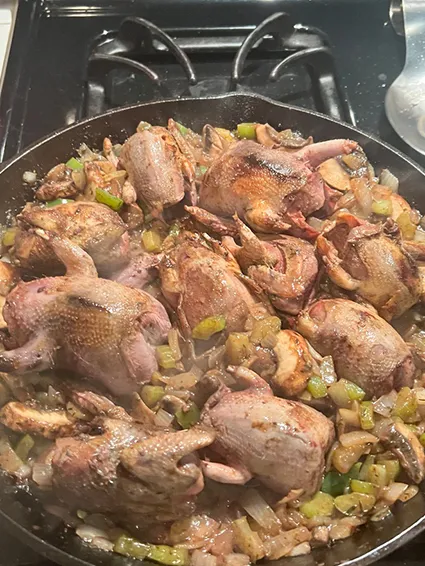
I love Doves, and I love shooting them. They lend themselves very well to shooters of all ages, but at age 67, they lend themselves particularly well to aging shooters. I have hunted them across several states, with Texas being my favorite. So I also love to eat doves cooked in various ways, but there’s something about grilling them to medium rare that brings out a unique, irresistible flavor; they are exceptional food for my soul. We do not breast doves as many do each to your own, but not me. We always pluck the birds to the first joint of the wing. This recipe is age-old but will get you started. You can change the flavor profile with different seasoning blends, marinades, and stuffings.Whether you’re a seasoned hunter like me or simply exploring new game recipes, grilling doves is a delicious and meaningful way to celebrate nature’s bounty.

Why Grilled Doves Are a Culinary Favorite

  • A Hunter’s Reward
    Grilled doves offer a rich, savory flavor that’s truly unique. They’re an exceptional dish for outdoor enthusiasts and food lovers alike.
  • The Art of Plucking vs. Breasting
    While many opt to breast their doves, this recipe preserves the whole bird for an authentic experience, enhancing the texture and taste.

Ingredients You’ll Need for Grilled Doves

  • 12–15 doves (plucked, with wings to the first joint)
  • Wishbone Italian dressing (or your favorite marinade)
  • All-purpose seasoning blend
  • 1 lb applewood smoked bacon (optional)
  • 6–8 medium-large jalapeños (or peppers of your choice), sliced

Preparing Your Doves for Grilling

Step 1: Marinate the Birds

  • Use a sharp paring knife to make slits along the breastbone.
  • Place the doves in a large bowl and cover with Italian dressing.
  • Let them marinate for 12–24 hours to absorb maximum flavor.

Step 2: Add Your Favorite Stuffings

  • Insert a slice of jalapeño (or your chosen pepper) into each slit.
  • For a smoky twist, wrap the doves in bacon and secure with toothpicks.

Grilling the Doves to Perfection

Choosing Your Cooking Style

  • Grill the doves medium or medium rare, similar to how you’d cook duck.
  • For unwrapped doves, brush them with bacon grease during grilling for added flavor.

Tips for Even Grilling

  • Thread two metal skewers through the birds to make turning easier.
  • If using a Weber kettle grill with offset fire baskets, skewer three birds per set for a perfect fit.

Pairing Grilled Doves with the Perfect Sides

Physical instruments, in addition to digital ones, can significantly improve your outdoor experiences. An anemometer provides you with current wind speed information for safer outdoor activities. A thermometer aids in temperature monitoring, which is essential for modifying your equipment and plans. A wind sock indicates the wind’s intensity and direction, while a barometer displays changes in air pressure, which helps predict weather patterns. Weather satellites and Doppler radar, which offer advanced surveillance of weather patterns, can help you stay ahead of any upcoming conditions. By adding these items to your equipment, you can improve your understanding and readiness for any experience
Grilled doves are a rich and flavorful dish that pairs beautifully with an array of sides to complete your meal. Cheesy garlic broccolini is an excellent option, offering a delightful balance of flavors and textures that complement the tender, smoky doves. If you’re looking for more variety, roasted vegetables such as carrots, Brussels sprouts, or sweet potatoes can provide a hearty and colorful addition. Creamy mashed potatoes or a light and refreshing garden salad with vinaigrette also work wonderfully. For a touch of sweetness, consider serving grilled corn or a fruit-infused couscous. These sides enhance the dining experience while letting the doves shine as the centerpiece.

Customizing Your Grilled Dove Recipe

One of the joys of grilling doves is the endless opportunity for customization to suit your unique palate. Experiment with a variety of marinades, seasoning blends, or flavorful stuffings to elevate the taste and bring new dimensions to the dish. For a sweet and tangy twist, try a citrus-based marinade featuring lemon or orange juice with herbs. If you prefer a kick of heat, spicy rubs with chili powder, cayenne, or smoked paprika can add bold flavors. Stuff the doves with sweet peppers, jalapeños, or even garlic cloves for added depth. Get creative with your combinations, and make each meal a reflection of your culinary style.

Final thoughts

Grilled doves are more than just a meal—they’re a celebration of tradition, flavor, and the great outdoors. This recipe offers a starting point for you to create a dish that’s both delicious and meaningful. Whether you’re grilling for a special occasion or a casual gathering, these savory birds are sure to impress.

Ready to Try Grilled Doves?

Enjoy the rewarding taste of grilled doves and share this recipe with fellow hunting enthusiasts. Have a unique twist on this dish? Let us know in the comments!

HI, I’m JOHN HARDY

Hi, I’m John Hardy, a lifelong outdoorsman, fisherman, hunter, and cook. This site shares my extensive experience in the field, on the water, and in the kitchen, along with insights from our expert Pro Staff. Explore our proven tips and tools for outdoor adventures and culinary success.

Blog Details

Weather Tools

Become An Outdoor Expert: Top-Notch Weather Tools For Fishing And Hunting

The Essential Role Of Weather Tools For Outdoor Enthusiasts

As fellow outdoor enthusiasts, the ProStaff members and I have firsthand experience of how important weather tools are to both our safety and success. We fully recognize how critical it is to equip ourselves with the knowledge necessary to make wise decisions in the great outdoors. It is our mutual understanding that enables us to endure and prosper in any kind of weather.

Personal Experiences With Weather Tools

Reflecting on my own close calls in Storms in the Gulf of Mexico, I am acutely aware of the life-saving potential of weather tools for outdoor enthusiasts. With a wealth of readily available weather information, there is simply no excuse for making uninformed decisions when any risk is involved.

The Devastating Toledo Bend Reservoir Incident

The recent tragic incident of passengers on a guided boat at Toledo Bend Reservoir caught in a storm is a stark reminder of the potential consequences of not utilizing the tools at our disposal. No fish is worth the loss of human life.

Discover Culinary Heaven: Charleston & Beyond

Top Tools For Safe and Successful Adventures

Intellicast: The #1 Forecasting Tool

One of the best weather tools for safety is Intellicast, which can be accessed on computers and phones. It provides daily wind forecasts, showing the speed in mph hour by hour, barometric pressure, and precipitation. The vertical line on the page allows you to track changes over time. I have found this tool invaluable in planning my hunting and fishing trips. The attached photos of a 10-day Intellicast forecast visually represent its features. Additionally, the Wundermap button on the Intellicast page redirects you to a map showing radar and wind speeds at surrounding locations.

Buoy Weather: Marine Weather and Wind Forecasts

Next, we use Buoy Weather, which gives wind speed and direction throughout the day, along with, just as importantly, wave height and interval between waves. A free two-day forecast is available, but for 95 bucks a year, you can get a longer-range 16-day forecast, which helps to consider trip planning further out. Even a two-foot sea in a 22-26 ft boat can be unpleasant if the waves are 3 seconds apart. We wait to see which days call for seas at 1 ft or less and 4-6 seconds intervals, as these conditions are generally considered safe and comfortable.

Noah Offshore: A Cross-Referencing Source

Noah Offshore forecasts are available on computers and smartphones for any coastal area and should be checked to cross-reference the above tools and information. What does all this mean? It is a guide to using available tools to be safe and successful. After checking the wind and wave conditions on Intellicast and Bouy Weather, you should also consult Noah Offshore Forecasts to ensure a comprehensive understanding of the weather conditions in your area.

Modis Today: Satellite Weather Analysis

Of note, a more recent tool, Modis Today, offers satellite viewing of water clarity in a given area. We find it useful as river outflow and current changes move good water around in saltwater, mainly staying in the clearest water possible, which often pays big dividends.

The Significance Of Conventional Weather Tools

Physical instruments, in addition to digital ones, can significantly improve your outdoor experiences. An anemometer provides you with current wind speed information for safer outdoor activities. A thermometer aids in temperature monitoring, which is essential for modifying your equipment and plans. A wind sock indicates the wind’s intensity and direction, while a barometer displays changes in air pressure, which helps predict weather patterns. Weather satellites and Doppler radar, which offer advanced surveillance of weather patterns, can help you stay ahead of any upcoming conditions. By adding these items to your equipment, you can improve your understanding and readiness for any experience

Stay Prepared for a Great Outdoor Experience

In conclusion, for anybody who enjoys outdoor sports, it is essential to use a combination of fishing and hunting weather tools. You can get a complete view of the weather by combining dependable apps like Intellicast and Bouy Weather with conventional instruments like anemometers and barometers. This all-encompassing strategy helps you stay safe, make better plans, and adapt to changing conditions since several tools provide distinct insights into weather patterns and how they affect the behavior of wildlife.

HI, I’m JOHN HARDY

Hi, I’m John Hardy, a lifelong outdoorsman, fisherman, hunter, and cook. This site shares my extensive experience in the field, on the water, and in the kitchen, along with insights from our expert Pro Staff. Explore our proven tips and tools for outdoor adventures and culinary success.

Cart (0 items)
Select the fields to be shown. Others will be hidden. Drag and drop to rearrange the order.
  • Image
  • SKU
  • Rating
  • Price
  • Stock
  • Availability
  • Add to cart
  • Description
  • Content
  • Weight
  • Dimensions
  • Additional information
Click outside to hide the comparison bar
Compare